Read what is behind the estimate.
The total is useful only when you know the job it buys. Use the same project brief to compare preparation, materials, installation and follow-up.
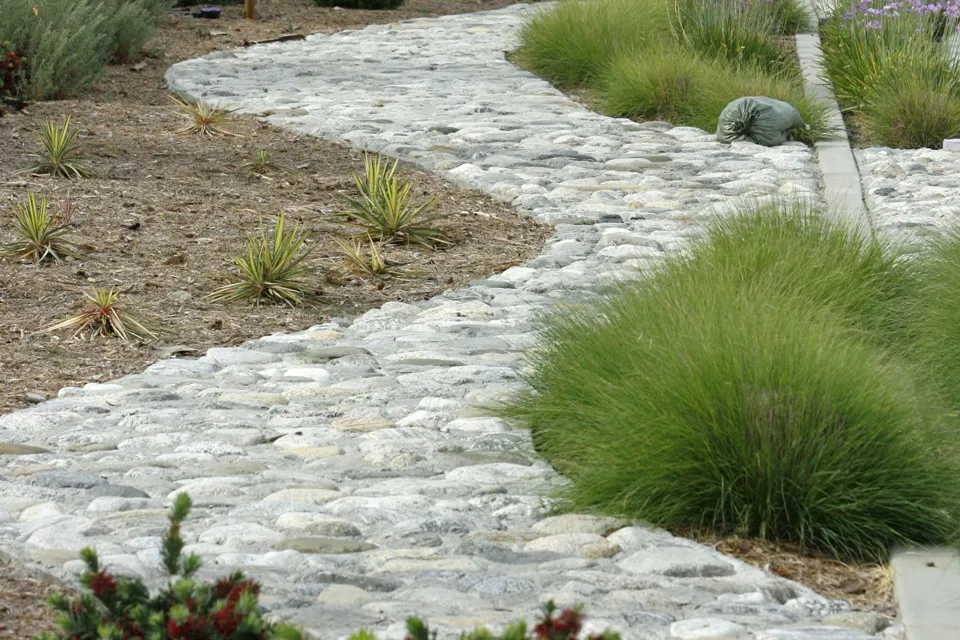
- PreparationWhat happens before the main work?
- Materials & workWhat is supplied and installed?
- CleanupWhat leaves the property?
Useful tools: Check a mulch quantity · Compare two written estimates
Start with the outcome.
Describe what you want to change: clearer bed edges, different planting, easier maintenance, a repaired lawn or a usable outdoor area. Then describe the current conditions. Note sun and shade, slopes, wet spots, existing plants and access.
For landscape planning, the University of Maryland Extension recommends considering the site and the household’s needs before settling on a design. A clear starting brief also helps you decide whether to phase a larger project.
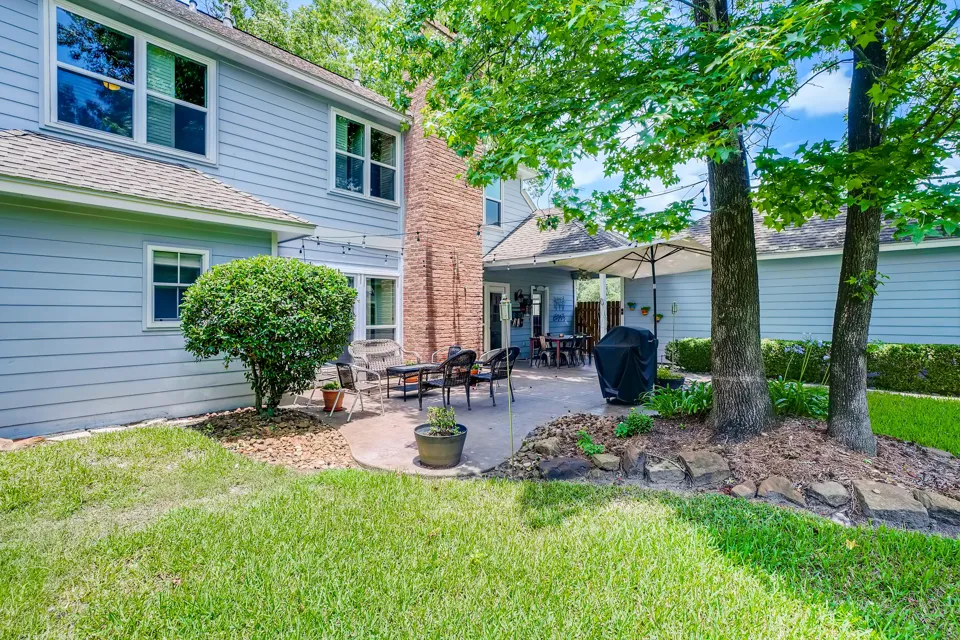
Five parts of the price to clarify
- Design and assessment. Ask what the estimate includes and whether a separate design plan has a fee.
- Site preparation. Identify what must be removed, repaired, graded or protected before installation.
- Materials and quantities. Ask for plant sizes and counts, material descriptions and agreed alternatives where relevant.
- Installation and access. Describe narrow entrances, slopes, parking constraints and occupied work areas.
- Completion and aftercare. Confirm cleanup, disposal, watering responsibilities and any follow-up work in writing.
Ask whether an assessment or design plan has a fee before arranging it. Changes after agreement may also affect the price.
Use this estimate comparison sheet.
Download the one-page comparison worksheet (PDF) for space to record the answers from two estimates. The questions below are also available here in text.
Prefer to work on screen? Mark included, excluded or unclear coverage in two written estimates and build questions to clarify the differences. The checker does not submit an estimate request.
| Compare | What you want written down |
|---|---|
| Work area | Exactly which beds, lawn sections or surfaces are included. |
| Preparation | Removal, site corrections, protection and who is responsible. |
| Materials | Type, quantity, size, finish and substitution approval. |
| Cleanup | Hauling and disposal; what remains on the property. |
| Schedule | Expected timing and how changes or delays are communicated. |
| Payment and changes | Payment stages and the process for approving additional work. |
| Aftercare | Owner tasks, follow-up and any written warranty terms actually offered. |
Comparing a recurring lawn-care plan?
Compare the agreement as well as the price per visit. Before choosing, get these answers in writing:
- Renewal: Does service continue into another year automatically, or do you need to agree again?
- Cancellation: How do you stop the plan, and are there any cancellation charges?
- Extra visits: If a problem needs attention between scheduled visits, is that visit included or billed separately?
For example, two plans with the same visit price may cost differently if only one includes an extra service call. Compare what each agreement includes before treating the totals as equivalent. These questions follow the Maryland Department of Agriculture’s lawn-service consumer guide; they are questions to ask, not promises about any service.
Changing the plants as well as the finish?
A bed refresh and a new planting scheme need different scopes. Use our landscape design and planting guide to clarify the layout, plant choices, installation and care you want included.
Example: compare a mulch refresh.
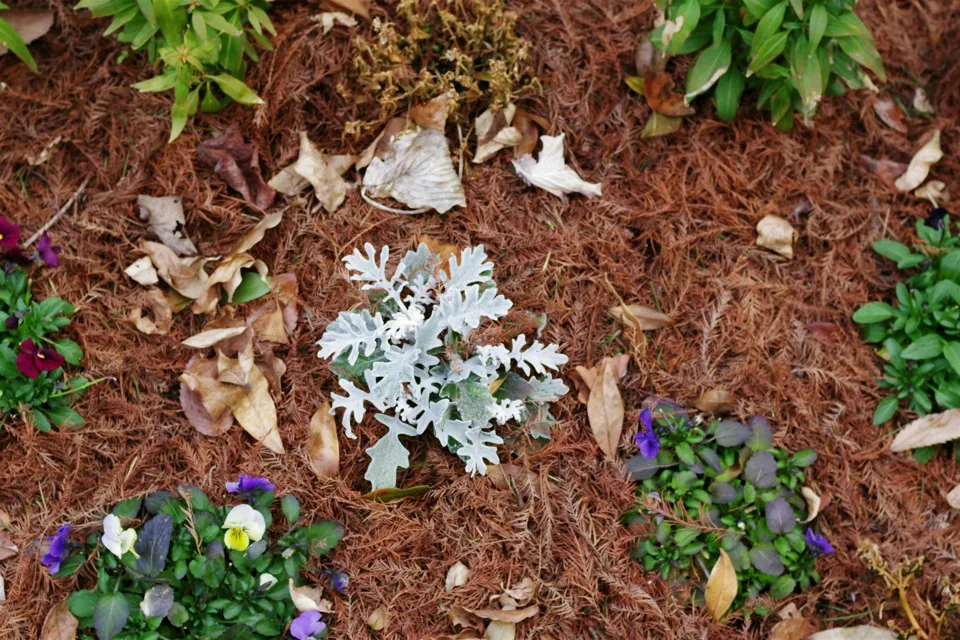
“Mulch the front beds” leaves several decisions open. A useful estimate should name the beds, material and preparation, and explain how the existing mulch affects the amount to add.
University of Maryland Extension advises replacing organic mulch only as needed to maintain its depth and keeping it away from tree trunks. More material is not automatically a better result; the appropriate depth depends on the plants and mulch.
- Existing layer: Will it be measured and assessed before more is added? Is any excess removal included?
- Preparation: Are weeding, edging and protecting existing plants included or separate? For weeds that keep returning or known landscape fabric, use the bed-maintenance questions before agreeing to another mulch layer.
- Finished result: What material and total finished depth are proposed, including mulch already present?
- Delivery and cleanup: Where will material be unloaded, and who removes leftovers and packaging?
Compare the amount being added.
Ask each estimate to show the bed area, the depth of new mulch being added and the material quantity. A quote for a fresh layer over bare ground is different from topping up an existing layer.
Quantity check: bed area in square feet × added depth in inches ÷ 324 = cubic yards. For a simple rectangular bed, length × width gives its area; irregular beds need a closer measurement.
For example, 324 square feet receiving 1 inch of new mulch uses about 1 cubic yard. Adding 2 inches over that same area doubles the calculated quantity. These are volume examples, not a recommended depth for your beds.
If a quote uses bags, ask for the volume per bag: a cubic yard is 27 cubic feet, so 2-cubic-foot bags and 3-cubic-foot bags are not equivalent. Confirm how the measured area, existing layer and any removal affect the final order before comparing totals.
Check a proposed mulch quantity.
Use the bed area and new depth being added, not the total layer already in place. This is a volume conversion, not advice on how deep to mulch or what to order. Confirm measurements and the existing layer before buying.
For a rectangle, area is length × width in feet. For several areas receiving the same added depth, use their combined measured area. Calculate different depths separately. Read bag volume from its label.
These entries are not saved or sent by the calculator. Calculating does not submit an estimate request.
Without the calculator, use the formula above: area × added depth ÷ 324. Divide cubic feet by the labelled bag volume to compare bags. Allow the supplier to confirm its ordering units, material and final quantity.
The volume calculation follows Clemson Extension’s mulch guidance. For depth and keeping mulch clear of trunks, use UMD’s Maryland guidance and a property-specific assessment.
Ask for these answers in the written scope. See UMD’s guidance on excess mulch for the horticultural background.
Why there is no “average price” here
A starting price may cover a different scope from your project. Property conditions, materials and access make a single local average a poor substitute for a clear written scope. Ask for a property-specific written estimate.
If you have a budget, share it as a planning constraint. Ask which parts of the project can be adjusted or phased without assuming the provider will meet a particular price.
Sources & review
Planning resources reviewed September 2026. Confirm the scope and terms of any work before agreeing.